


Cold Weather Steel Doors
Cold Weather Steel Doors
Cold weather can be one of the biggest challenges for exterior doors, especially in luxury homes where large openings, expansive glass, and slim steel profiles are part of the architectural vision. The right steel door system can help create a comfortable interior while maintaining the clean lines and refined appearance expected in high-end residential design.
For homeowners, architects, builders, and designers working in colder climates, thermal performance should be considered alongside aesthetics when selecting a steel door. Thermally broken profiles, appropriate finishes, and high-performance insulated glass can all contribute to a door system designed for demanding winter conditions.
Cold Weather Steel Doors for Luxury Homes
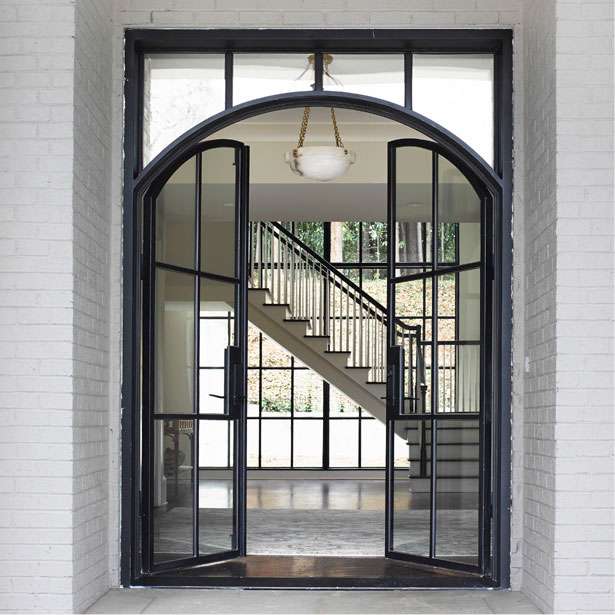
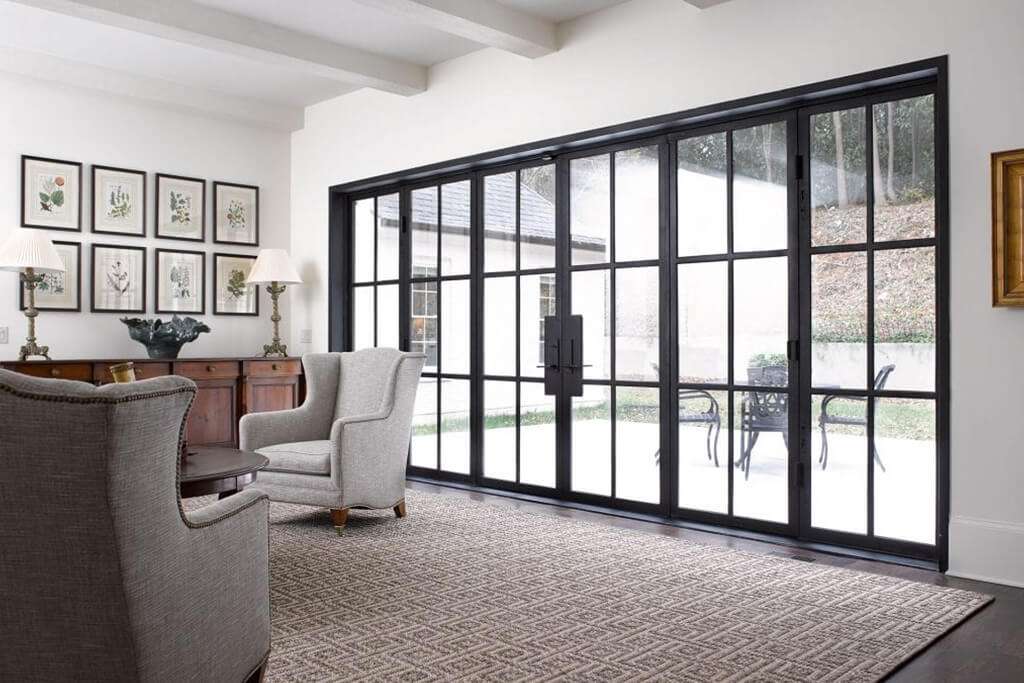
Luxury homes in colder climates require exterior doors that balance energy efficiency, durability, and architectural design. Large steel doors can create dramatic entrances and seamless connections between indoor and outdoor spaces, but the door system needs to be designed with the local climate in mind.
Cold weather steel doors can be especially valuable for:
- Mountain homes and ski properties
- Luxury homes in northern climates
- Modern homes with large exterior openings
- Contemporary renovations
- High-end indoor-outdoor living spaces
- Homes with oversized steel pivot or sliding doors
A well-designed steel door system minimizes unwanted heat transfer while delivering the strength and narrow sightlines associated with architectural steel.
Get Pricing Today
| Cold Weather Consideration | Why It Matters |
|---|---|
| Thermal performance | Helps reduce heat transfer through the door |
| Thermally broken profiles | Creates a barrier between interior and exterior temperatures |
| Insulated glass | Improves energy efficiency and interior comfort |
| Durable finishes | Helps protect the steel in demanding climates |
| Weather sealing | Helps limit air and moisture infiltration |
| Narrow sightlines | Maintains the sleek appearance of luxury steel doors |
For high-end residential projects, these performance features do not have to come at the expense of design. With the right configuration, cold-weather steel doors can provide the thermal performance needed for the climate while maintaining a sophisticated architectural aesthetic.
Thermally Broken Profiles for High End Homes
One of the most important features to consider when selecting steel doors for a cold climate is a thermally broken profile. Thermal breaks are designed to reduce the direct transfer of heat between the interior and exterior portions of the door frame.
Traditional metal frames can conduct outdoor temperatures toward the interior of the home. In winter, this can contribute to colder interior surfaces and increased heat loss. A thermally broken system separates the interior and exterior portions of the profile with an insulating material, helping reduce that transfer.
For luxury homes, thermally broken profiles are particularly useful when paired with:
- Large door openings
- Floor-to-ceiling glass
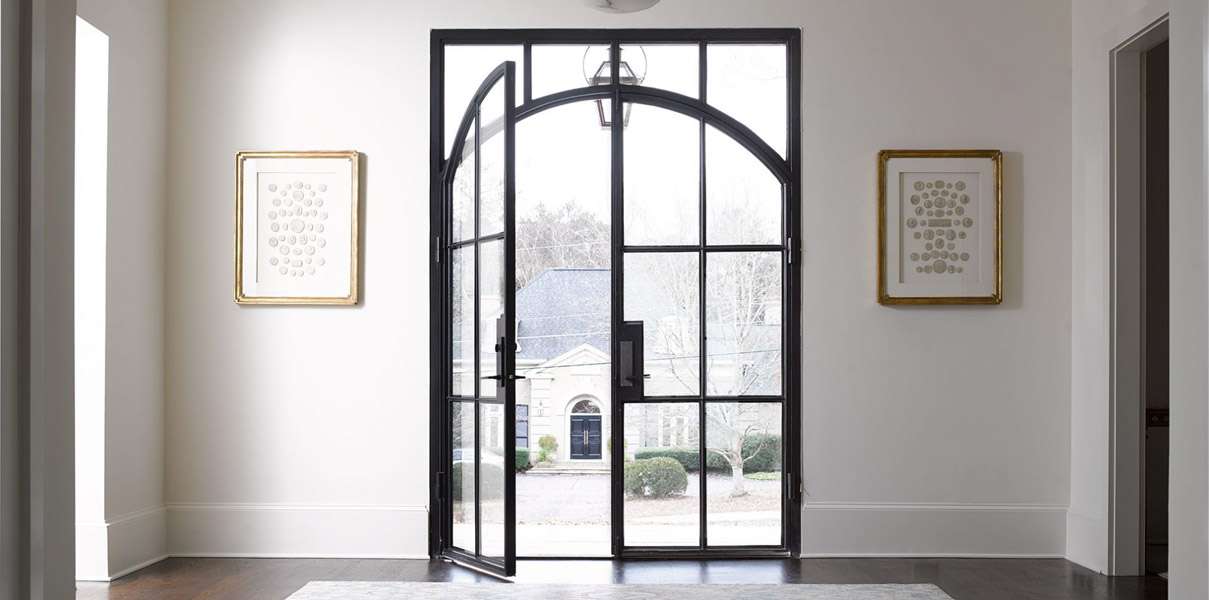
- Oversized pivot doors
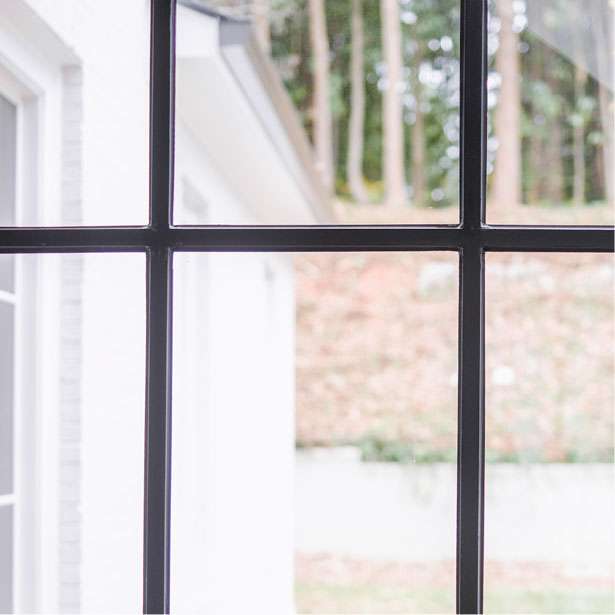
- Narrow steel sightlines
- Heated interior spaces
- Cold or variable climates
Why thermal breaks matter
The goal of a thermally broken steel door is not simply to make the door frame warmer. The entire door assembly should be considered when evaluating cold-weather performance. The frame, glass, seals, and installation all contribute to the overall performance of the system.
This makes thermally broken profiles an important consideration for architects and designers who want to incorporate steel doors into homes where energy performance is a priority.
Finishes for Cold Weather Compliance
The finish selected for a steel door does more than determine its appearance. Exterior steel doors need a durable finish that can withstand changing temperatures, moisture, sunlight, and everyday exposure to the elements.
For luxury residential projects, the finish should complement the architectural style while providing the durability needed for the home’s location.
Popular finish considerations include:
- Powder-coated finishes: Available in a wide range of colors and can provide a durable exterior surface.
- Custom colors: Allow the door to coordinate with exterior materials, window systems, roofing, and other architectural elements.
- Dark finishes: Create the dramatic contrast often associated with modern steel doors.
- Neutral finishes: Pair well with stone, stucco, concrete, wood, and other natural materials.
When selecting a finish for a cold-weather project, it is important to consider the specific environmental conditions of the installation. Temperature fluctuations, precipitation, UV exposure, and moisture can all affect the long-term performance of an exterior door.
A properly specified finish helps protect the steel while allowing the door to remain a defining architectural feature of the home.
Insulated Glass Options for Cold Weather
Glass is another major component of a steel door’s overall thermal performance. This becomes especially important for luxury steel doors, which often incorporate large areas of glass to maximize natural light and outdoor views.
Insulated glass units (IGUs) use multiple panes of glass separated by a sealed space. This configuration helps reduce heat transfer compared with traditional single-pane glass.
For cold-weather applications, insulated glass can be specified with features such as:
- Double-pane or triple-pane configurations
- Low-E coatings
- Argon or other insulating gas fills
- Warm-edge spacers
- Different glass thicknesses based on project requirements
- Custom glass options for aesthetic and performance needs
Choosing the right glass for a cold climate
The ideal insulated glass configuration depends on the project’s climate, orientation, size of the opening, and overall energy-performance requirements. Large south-facing or west-facing openings, for example, may have different solar-control considerations than shaded elevations.
For luxury homes, insulated glass also allows designers to maintain expansive views and abundant natural light without automatically sacrificing thermal performance. The result is a steel door that supports the architectural vision while being better suited to the demands of a cold-weather environment.
Designing Cold Weather Steel Doors for Performance and Style
Cold climates do not mean homeowners have to compromise on the look of architectural steel. Thermally broken profiles, durable finishes, insulated glass, and appropriate weather sealing can work together to create a steel door system designed for both performance and high-end residential design.
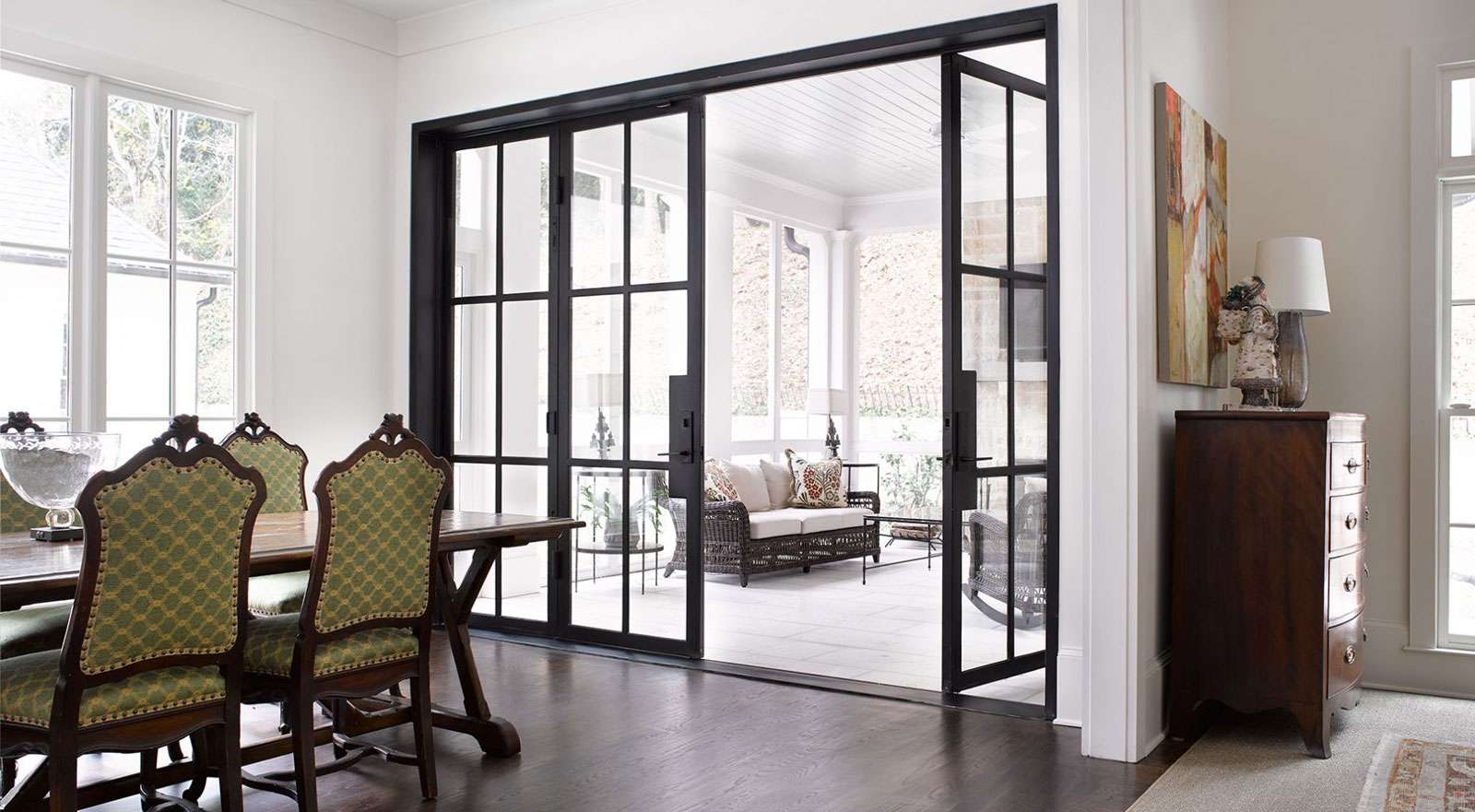
From a dramatic steel pivot door to a large opening connecting a living space to the outdoors, the right cold-weather specifications can help luxury homes achieve the architectural look they want while addressing the practical demands of the climate.
The French Steel Company offers custom steel door solutions designed to bring architectural character and performance together. For more information about specifying a steel door for your project, contact The French Steel Company to discuss your home’s location, design, and performance requirements.