



How Long Do Steel Windows Last
How Long Do Steel Windows Last? A Complete Guide for Homeowners and Architects
If you’re investing in luxury windows for a custom home or architectural project, one of the most common questions is: How long do steel windows last?
The short answer: properly manufactured and finished steel windows can last 50 to 100+ years.
But longevity depends on several key factors: manufacturing quality, finish systems, installation, environment, and maintenance. In this guide, we’ll break down exactly what impacts the lifespan of steel windows and why they continue to outperform alternative materials.
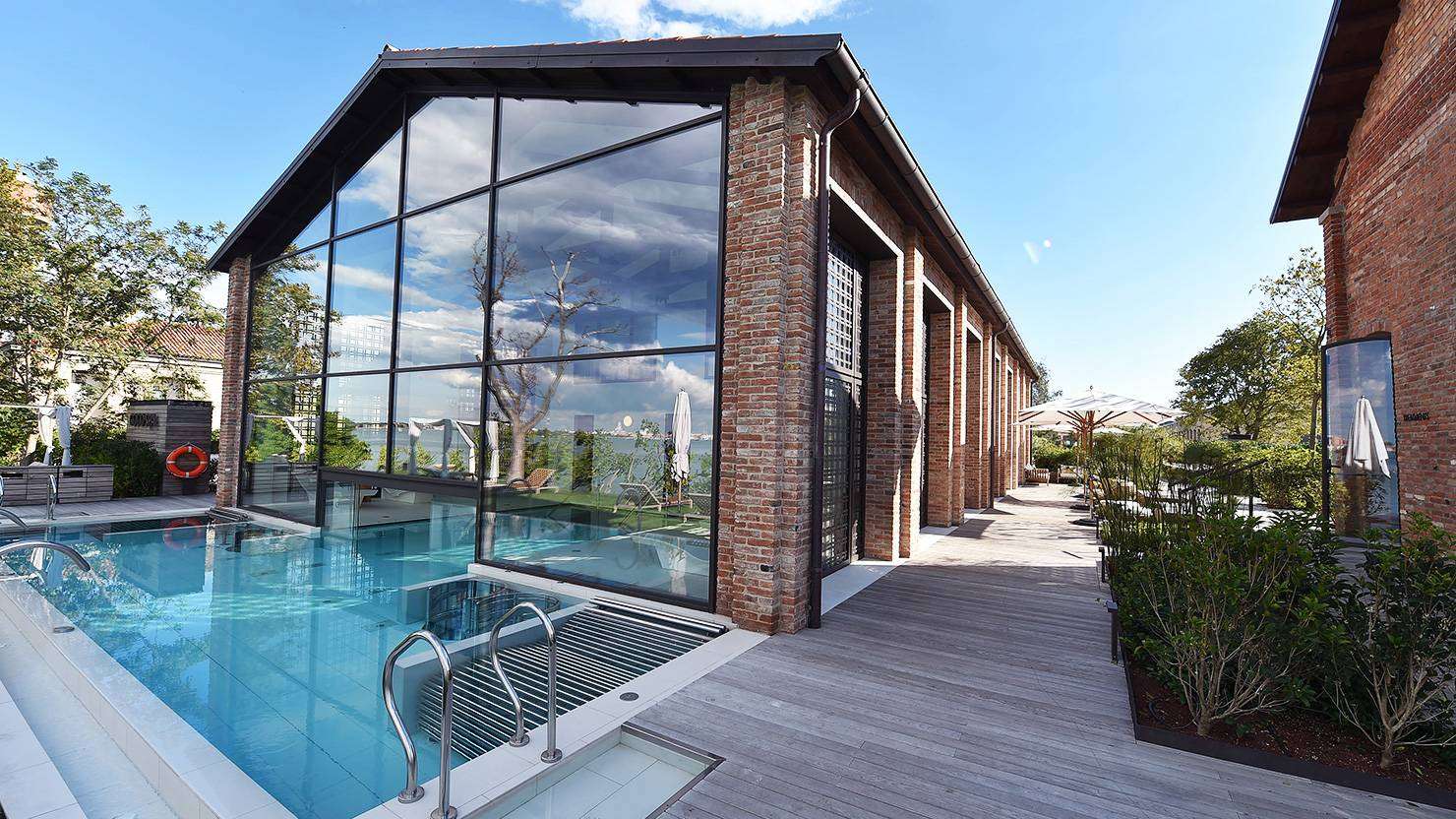
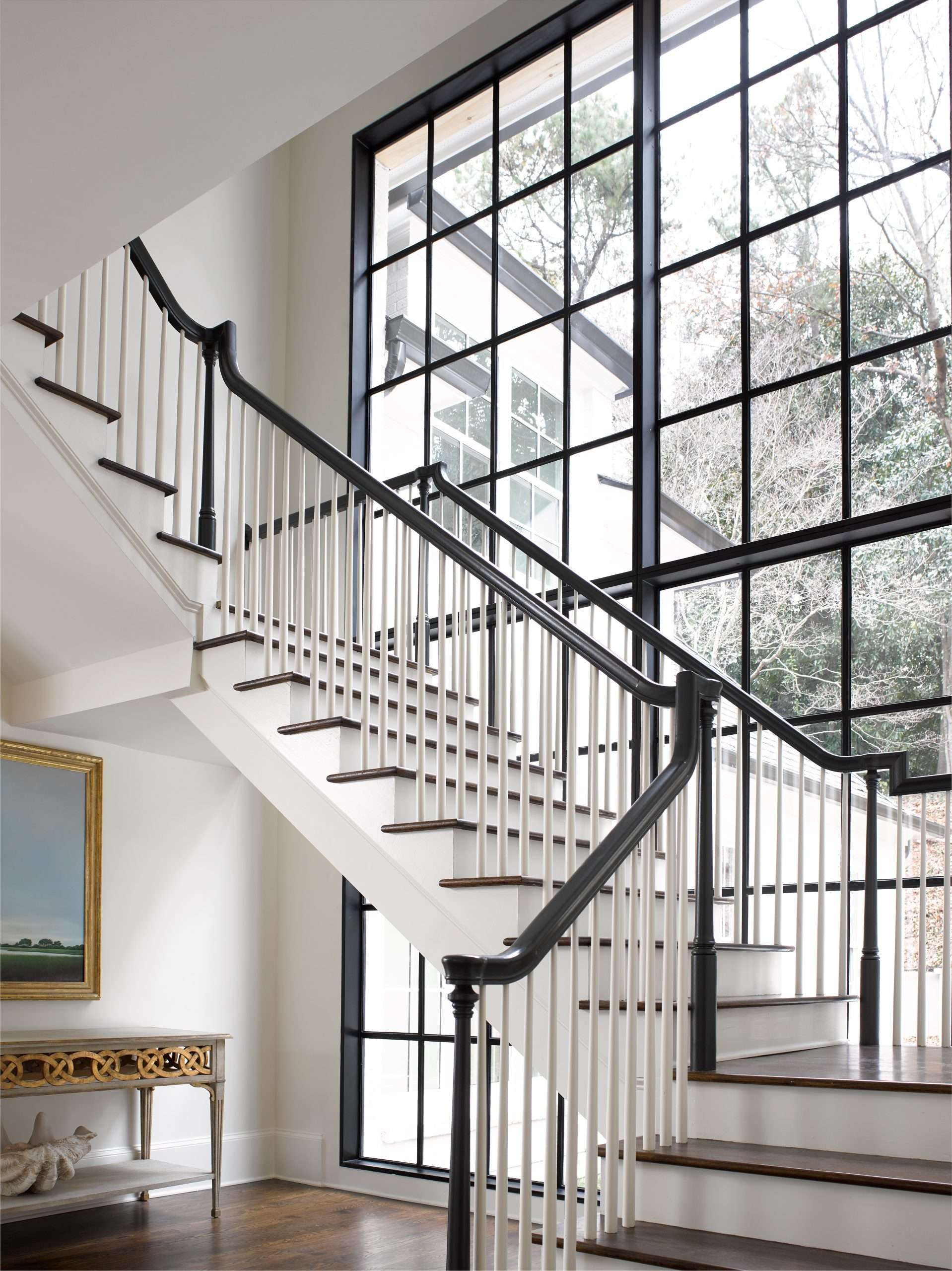
The Average Lifespan of Steel Windows
High-quality custom steel windows are known for exceptional durability. When fabricated correctly and protected with modern coating systems, they can last:
50+ years in most residential environments
75–100 years with proper maintenance
Even longer in well-protected architectural applications
In fact, many historic buildings still feature original steel windows installed decades ago, proof of the material’s structural integrity.
Get Pricing Today
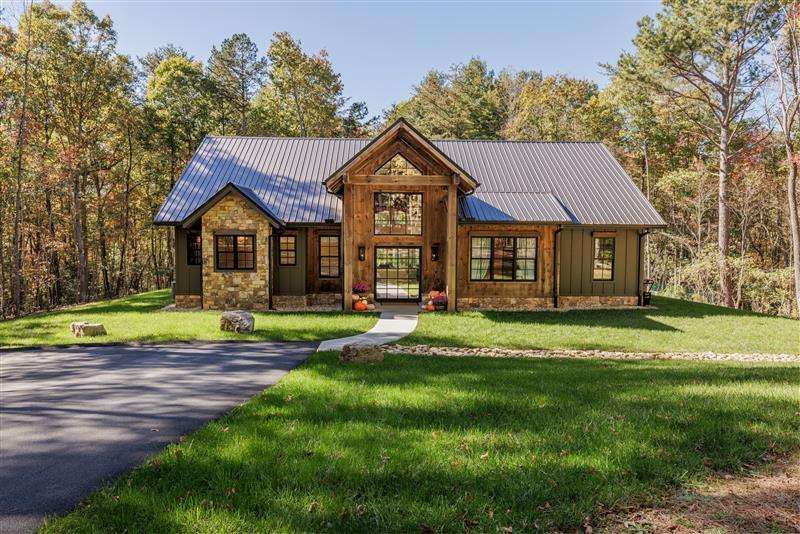
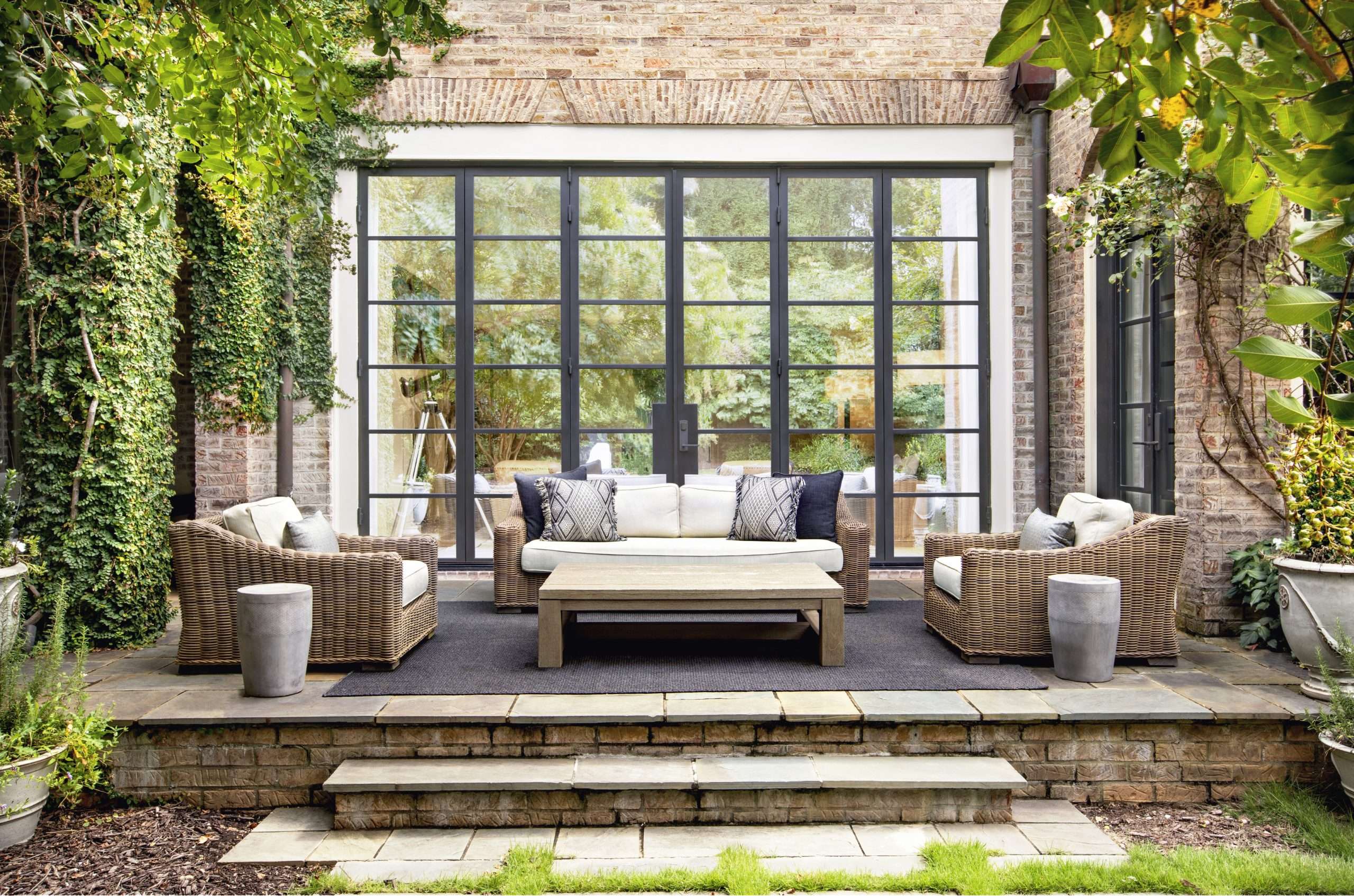
1. Structural Strength
Steel is significantly stronger than aluminum, vinyl, or fiberglass. This allows for:
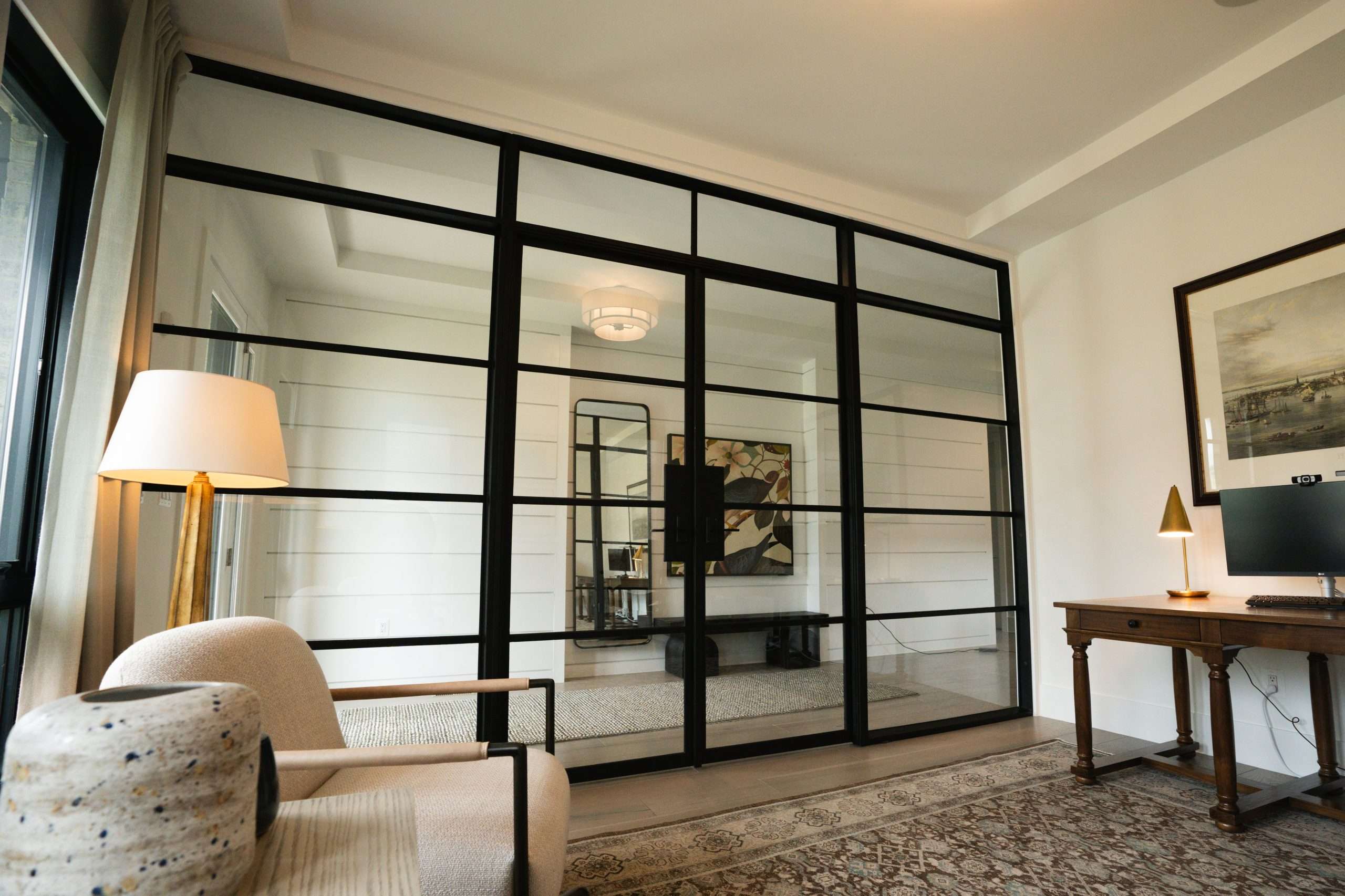
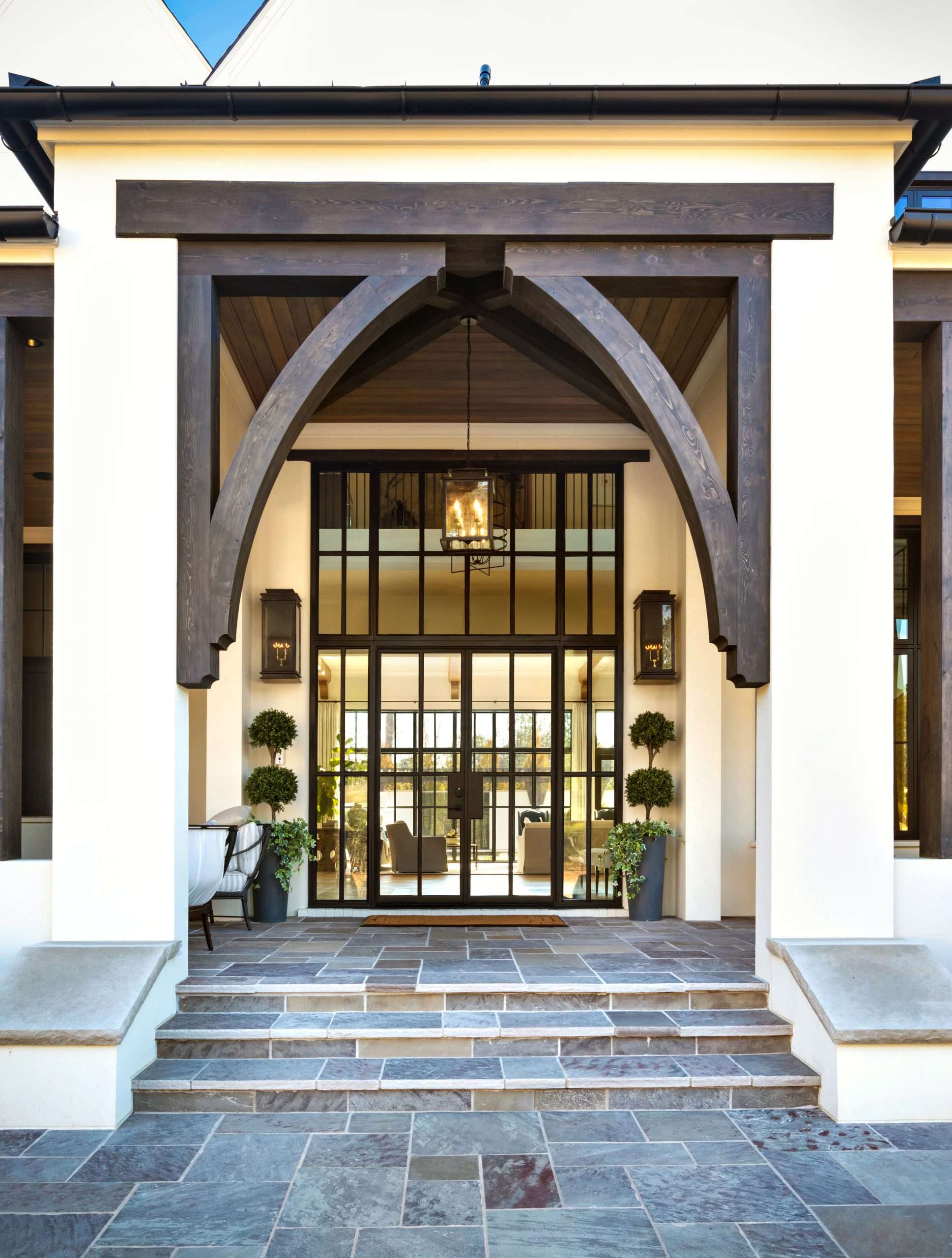
Thinner sightlines without sacrificing rigidity
Greater resistance to warping
Stability under heavy glass loads
Reduced long-term structural fatigue
Because steel does not flex easily, seals remain tighter, and performance remains consistent over time.
2. Advanced Protective Coatings
Modern steel windows use high-performance coating systems, such as:
Galvanized protection
Multi-layer powder coatings
These systems protect against corrosion, UV exposure, and moisture intrusion, dramatically extending lifespan compared to untreated steel of the past.
3. Superior Welded Construction
Unlike many aluminum systems that rely heavily on mechanical fasteners, premium steel windows are:
Fully welded
Precision fabricated
Custom-built to exact specifications
This reduces joint failure and increases long-term durability.
Steel Windows vs. Other Materials: Lifespan Comparison
When asking “how long do steel windows last,” it helps to compare alternatives:
| Material | Typical Lifespan |
|---|---|
| Steel Windows | 50–100+ years |
| Aluminum Windows | 20–40 years |
| Vinyl Windows | 20–30 years |
| Fiberglass Windows | 30–40 years |
| Wood-Clad Windows | 20–30 years (varies with maintenance) |
Steel consistently offers the longest structural lifespan, especially in high-end architectural applications.
What Impacts the Lifespan of Steel Windows?
While steel windows are extremely durable, longevity depends on several factors:
Installation Quality
Proper installation is critical. A professional install ensures:
Correct flashing and waterproofing
Secure anchoring to structural framing
Proper thermal breaks and sealing
Level and square placement
Poor installation can compromise even the highest-quality window system.
Environmental Conditions
Coastal environments require enhanced corrosion protection.
High-humidity areas benefit from upgraded coatings.
Freeze-thaw climates require proper drainage design.
High-end steel manufacturers like French Steel account for these variables during fabrication.
Maintenance Practices
Steel windows are relatively low maintenance, but simple steps extend lifespan:
Annual inspection of seals and finishes
Cleaning frames with mild soap and water
Touch-up protection if finish damage occurs
Lubrication of hardware as needed
With minimal maintenance, steel windows can last generations.
Are Steel Windows Worth the Investment?
Because steel windows last significantly longer than most alternatives, they often provide:
Better long-term value
Reduced replacement costs
Increased architectural credibility
For custom homes and luxury builds, steel windows are often viewed as a lifetime investment rather than a short-term solution.
Installation Matters: Ensuring Maximum Longevity
Professional installation ensures steel windows reach their full lifespan potential.
Key installation steps include:
Verifying rough opening dimensions
Applying proper waterproofing membranes
Setting and anchoring the steel frame
Installing glazing systems
Sealing and finishing perimeter joints
Final alignment and performance testing
Choosing experienced installers familiar with custom steel systems is essential for optimal performance.
Why High-End Projects Choose Steel Windows
Architects and builders consistently choose steel windows because they offer:
Slim, elegant sightlines
Unmatched durability
Structural performance
Timeless design appeal
When properly fabricated and installed, steel windows don’t just last decades—they often outlast the building’s other components.
Ready to Invest in Steel Windows That Last a Lifetime?
If you’re considering custom steel windows for your next project, our team can help you design a system built for durability, performance, and architectural impact.
Contact The French Steel Company today to learn how our custom steel windows are engineered for longevity and designed to elevate your space for generations.