


Wood vs. Fiberglass vs. Steel Doors
The front door of a home or business is the first line of defense against the elements and intruders. It is also the first thing the owners and visitors see. Choosing the right front door is important and a decision that shouldn’t be taken lightly. Before you even think about color, panels, and other stylings, you will need to select a material. There are three options for exterior doors: steel, wood, and fiberglass. Which one is the right choice for your home or business?
There are benefits to all three when it comes to wood vs. fiberglass vs. steel doors. Wood is inexpensive, traditional, and has a homey appearance. Fiberglass is stronger, looks similar to wood, and is fire-resistant. Steel is the strongest of the three providing unmatched security against the elements, and elevates a building with next-level looks. It is a decision that the property owner will live with for years, and you should choose the door that best fits your needs.
Wood vs. Fiberglass vs. Steel Doors: Which Material Is Best?
Choosing the right exterior door is an important decision that impacts your home’s security, energy efficiency, maintenance requirements, and overall design. While wood, fiberglass, and steel doors are all popular options, each material offers different advantages depending on your project’s priorities.
For homeowners, architects, and builders looking for a combination of durability, performance, and timeless style, custom steel doors offer a unique solution that balances modern engineering with architectural elegance.
Get Pricing Today
Below is a comparison of the key differences between wood, fiberglass, and steel doors.
Wood vs. Fiberglass vs. Steel Doors Comparison
| Feature | Wood Doors | Fiberglass Doors | Steel Doors |
|---|---|---|---|
| Cost | Moderate to high | Moderate to high | Low to high depending on customization |
| Durability | Requires regular maintenance to prevent warping and cracking | Durable but vulnerable to damage that may require replacement | Exceptional strength and long-term durability |
| Energy Efficiency | Good when properly maintained | Excellent insulation properties | Excellent when paired with thermally broken systems and high-performance glass |
| Security | Good, but vulnerable to moisture-related damage over time | Good | Excellent structural strength and security |
| Maintenance | Requires periodic staining, sealing, or refinishing | Low maintenance but difficult to repair if damaged | Minimal maintenance with durable protective finishes |
| Aesthetic Options | Natural, traditional appearance | Can mimic wood or offer modern styles | Timeless steel aesthetic with extensive customization options |
| Sound Insulation | Good | Good | Excellent due to steel construction and insulated glazing options |
| Longevity | Depends heavily on maintenance | Long-lasting with proper care | Designed for decades of performance |
Wood Doors: Classic Beauty With Higher Maintenance
Wood doors have been used in residential architecture for centuries due to their natural warmth and traditional appearance. However, maintaining their beauty and performance requires ongoing care.
Because wood is a natural material, it is vulnerable to moisture, temperature changes, and exposure to the elements. Over time, unfinished or poorly maintained wood doors may begin to crack, warp, or lose their structural integrity.
Challenges of Wood Doors Include:
Regular maintenance: Wood doors typically require refinishing, staining, or sealing to prevent weather damage.
Moisture sensitivity: Exposure to humidity and water can cause swelling, cracking, or warping.
Reduced energy efficiency over time: A warped door may create gaps that allow drafts and reduce insulation.
Security concerns: Damaged or weakened wood can compromise the strength of the door system.
While wood doors remain a beautiful choice for certain architectural styles, many homeowners are choosing materials that provide similar visual appeal with improved durability and performance.
Fiberglass Doors: Low Maintenance With Design Flexibility
Fiberglass doors are popular because they provide excellent insulation and require less maintenance than wood. Many fiberglass doors are designed with textured surfaces that replicate the appearance of natural wood while offering increased resistance to moisture and weather.
However, fiberglass doors have limitations when compared to premium steel systems.
Considerations for Fiberglass Doors:
Fiberglass can be difficult to repair if deeply scratched, cracked, or damaged.
Many fiberglass designs are intended to imitate the appearance of other materials rather than create a distinct architectural statement.
Custom sizes, oversized openings, and specialty designs may have fewer options available.
Fiberglass is a practical choice for many homes, but steel doors offer unmatched strength and a more refined architectural appearance.
Steel Doors vs. Fiberglass Doors
Steel doors stand apart from fiberglass and wood because they offer exceptional structural strength while maintaining a sleek, modern aesthetic.
Unlike fiberglass doors that often replicate the appearance of other materials, steel has a distinctive architectural character that has been used in luxury homes, historic renovations, and contemporary designs for decades.
| Advantage | Why Steel Doors Stand Out |
|---|---|
| Strength & Security | Steel provides superior structural integrity, making it ideal for exterior entrances and large architectural openings. |
| Durability | High-quality steel doors resist warping, cracking, and everyday wear. |
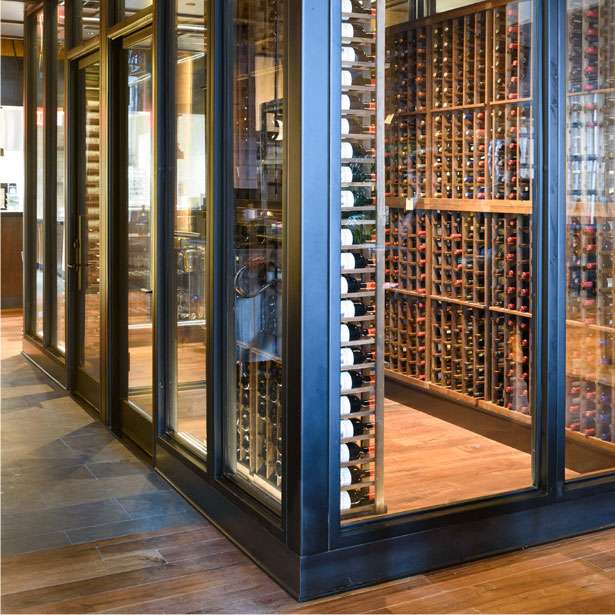
| Design Flexibility | Custom steel doors can be created in unique sizes, configurations, finishes, and glass combinations. |
| Low Maintenance | Durable coatings help steel doors maintain their appearance with minimal upkeep. |
| Timeless Style | Slim steel profiles create a refined look that complements both modern and traditional architecture. |
The Advantages of Custom Steel Doors
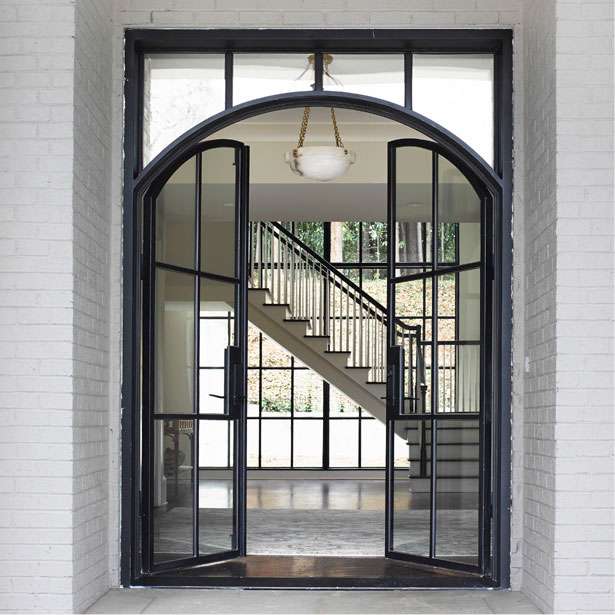
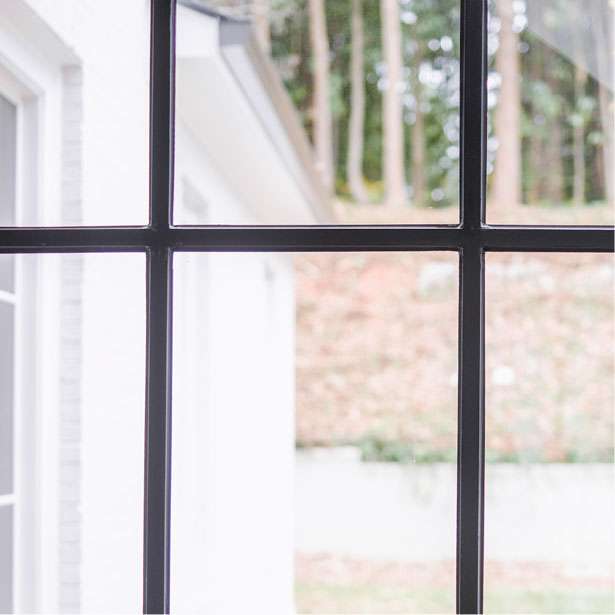
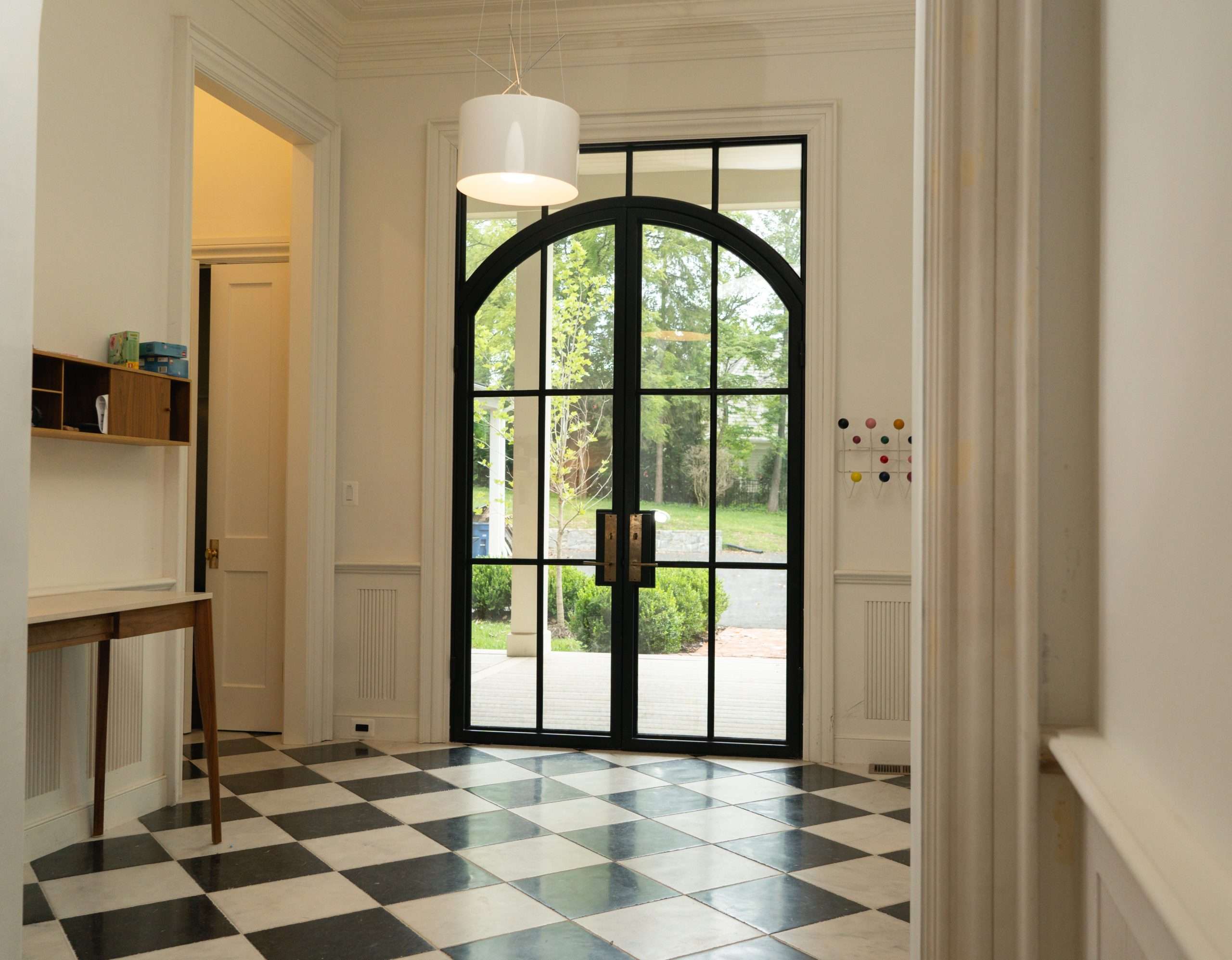
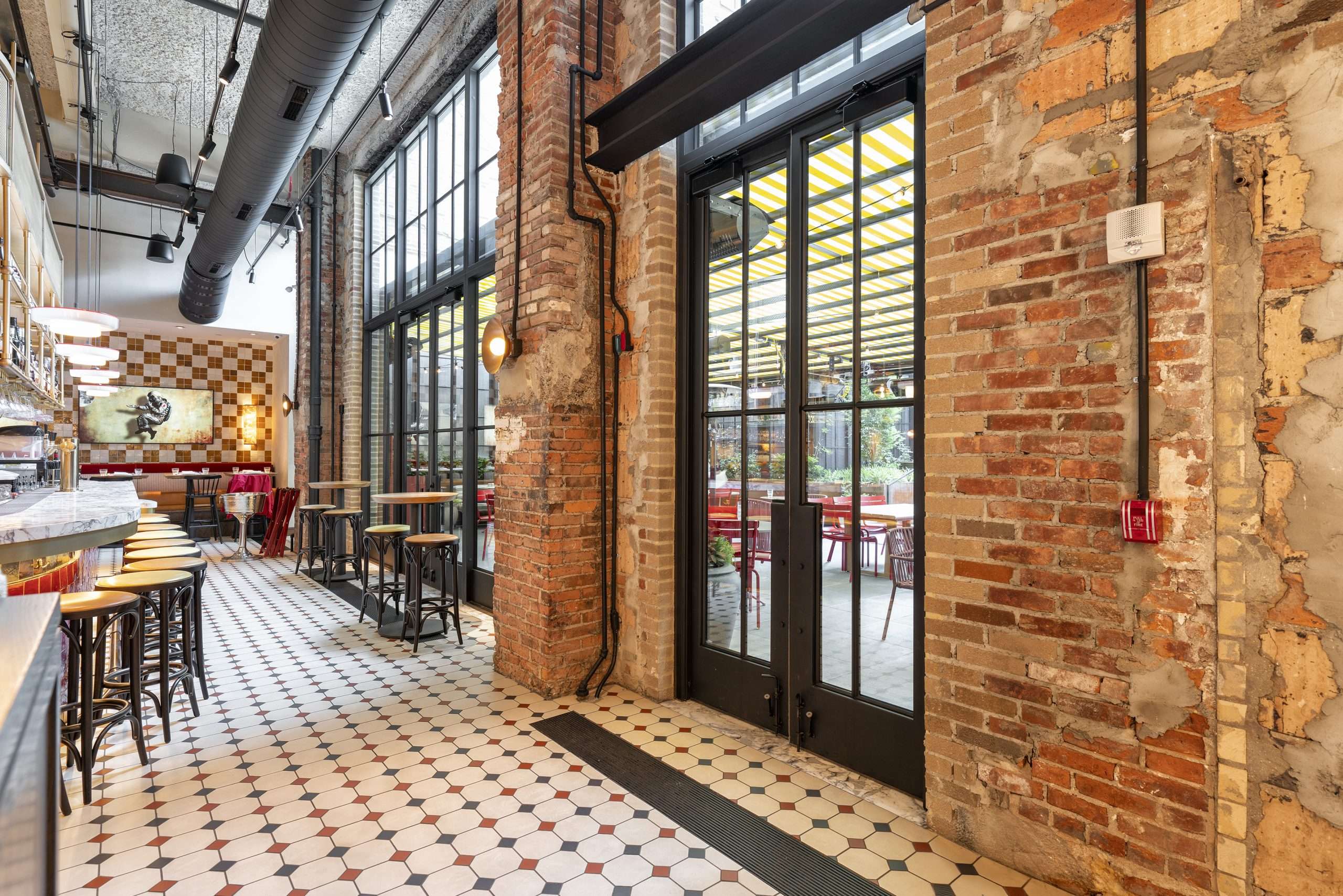
Custom steel doors offer more than durability—they create a defining architectural feature for your home. The combination of slender steel profiles and expansive glass allows homeowners to achieve a dramatic entrance while maximizing natural light and outdoor views.
Modern steel doors also incorporate advanced technology, including:
Thermally broken steel profiles to improve energy efficiency
High-performance insulated glass for comfort and temperature control
Custom finishes to complement any architectural style
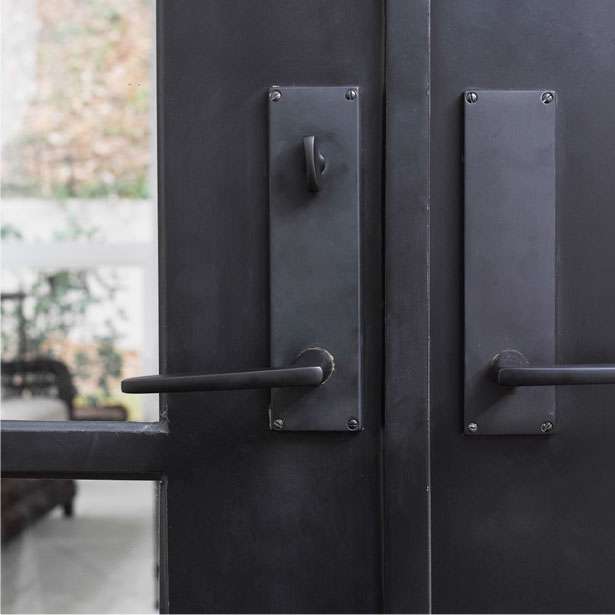
Specialty hardware for both beauty and functionality
Impact-rated glass options for additional protection in demanding climates
Whether used as an entry door, patio door, French door, or pivot door, custom steel doors provide a lasting combination of performance and elegance.
Why Choose French Steel Doors?
At The French Steel Company, we create custom steel doors and windows designed to enhance both the beauty and functionality of luxury homes and commercial spaces. Our systems combine traditional craftsmanship with modern engineering, offering the durability of steel with the refined aesthetic of architectural glass.
From contemporary residences to historic renovations, custom steel doors provide a timeless solution for projects where design, performance, and longevity matter.
Contact The French Steel Company to explore how custom steel doors can transform your next project.